PTSD: LIFE-THREATENING EFFECTS OF TRAUMA
Post-traumatic stress disorder (PTSD) is a mental health condition that results from experiencing severe stress, such as war, disasters, violence, or other life-threatening events. People with PTSD often experience symptoms such as flashbacks, nightmares, intense anxiety, emotional numbness, irritability, and sleep problems.
The effects of PTSD can be devastating for both individuals and their families. Without timely treatment, the disorder can lead to serious health problems, including depression, drug and alcohol abuse, and suicidal thoughts and actions. It is important for people experiencing symptoms of PTSD to seek help from qualified professionals.
Recurrent intrusive memories

Nightmares
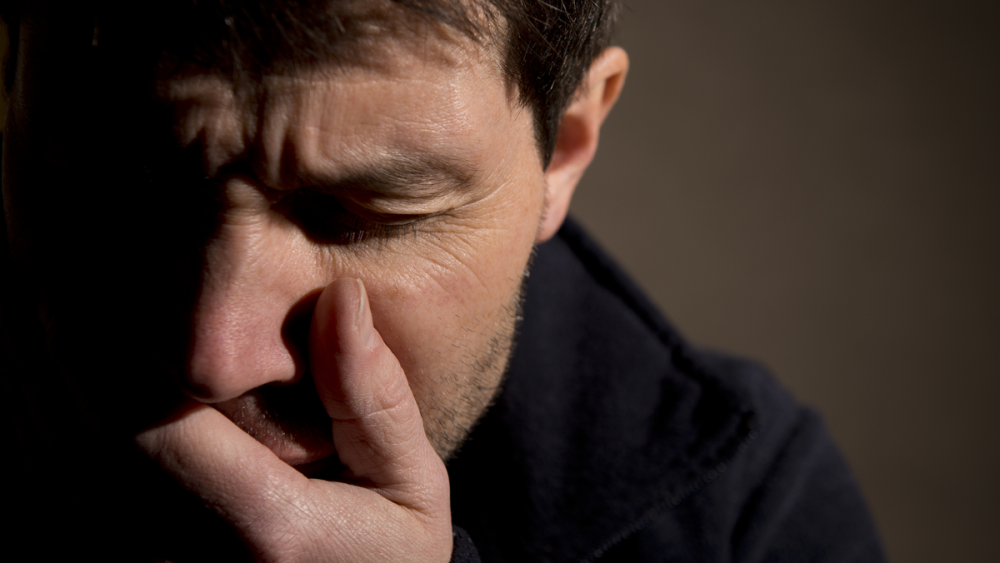
Sleep problems
SEVERITY OF THE PTSD PROBLEM
The severity of the PTSD problem in Ukraine has significantly increased due to the Russian-Ukrainian war, which has been ongoing since 2014 and has become especially acute since 2022. Hundreds of thousands of people, including military personnel, civilians, internally displaced persons, and victims of hostilities, have experienced severe traumatic events. These events have become a source of psychological stress and have contributed to a significant increase in the number of cases of PTSD among the population.
Given the scale of the war and its consequences for mental health, the problem of PTSD has become critically important for Ukrainian medicine and society as a whole. Therefore, there is an urgent need to introduce new methods of treating PTSD, such as virtual reality, which can effectively help a large number of victims.
OVERCOMING STIGMA
Stigma around mental health disorders, particularly post-traumatic stress disorder (PTSD), is a major obstacle to recovery. It creates social and psychological barriers that make it difficult to get the help and support you need. Because of stereotypes and prejudice, many people with PTSD experience feelings of shame or fear of being misunderstood, which can lead them to hide their problems and avoid treatment.
The stigma surrounding PTSD and other mental illnesses makes people feel isolated and inadequate. They may avoid seeking help from a psychiatrist or therapist for fear of negative reactions from society or even their own family. This can delay diagnosis and treatment, leading to a worsening of the patient’s condition. Lack of support only increases feelings of loneliness and hopelessness.
VR IN THE TREATMENT OF PTSD
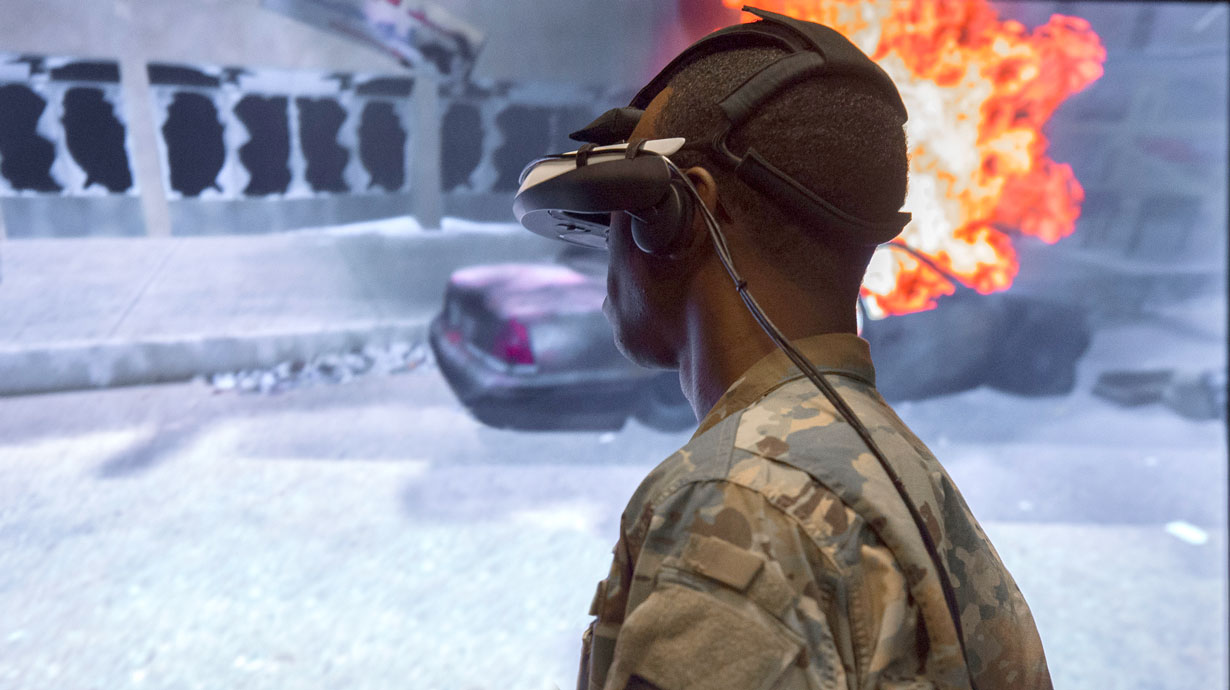
Research shows that the use of virtual reality (VR) in the treatment of PTSD by exposure cognitive behavioral therapy (VRET) has several advantages over traditional methods, such as in vivo exposure therapy. In particular, VRET allows you to adapt the therapy to the needs of each patient, providing the ability to adjust the intensity and duration of exposure. This increases the effectiveness of the treatment and helps patients more effectively manage their fears and anxieties.
VR is becoming one of the most promising tools for the treatment of PTSD in the world. In particular, in the USA, the UK, Israel and other countries, VRET is already actively used in clinical practice. VRET allows patients to “experience” traumatic situations in a safe and controlled environment, which contributes to a gradual decrease in their response to stressors.