
Українською · English
17 October 2026
VR Mentality at the Ministry for Veterans Affairs Seminar: VR Exposure Therapy in PTSD Care
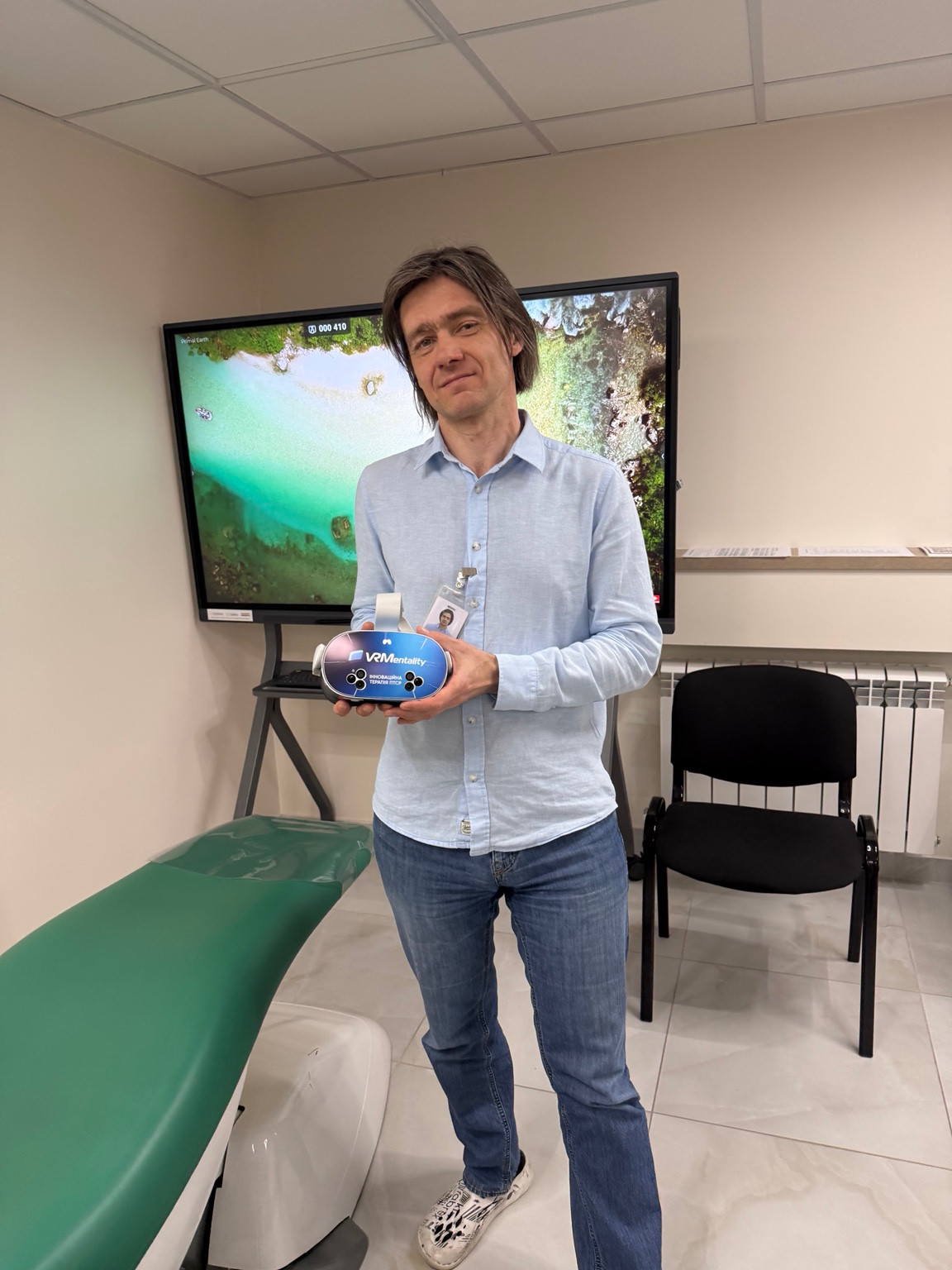
On 27 May 2026, VR Mentality took part in the online seminar “Psychological Support for Veterans and Their Families: Modern Approaches and Practices”. The event was organised by the Ministry for Veterans Affairs of Ukraine and the Borodianka Scientific and Educational Expert Centre for psychologists working with veterans and their families.
The VR Mentality team presented a talk entitled “VR Exposure Therapy in PTSD Care for Veterans: Practical Experience and Modern Approaches”.
The seminar programme brought together topics including psychological support, mind–body stabilisation, PTSD assessment and the neurobiology of trauma.
We presented how VR technologies can complement contemporary approaches to psychological trauma. VR Mentality aims to be a driver of change in therapy for war-related PTSD: we develop software and train specialists in its professional use.
17 October 2026
Ukraine’s Ministry for Veterans Affairs Supports the Development of VR Exposure Therapy in Veteran Care
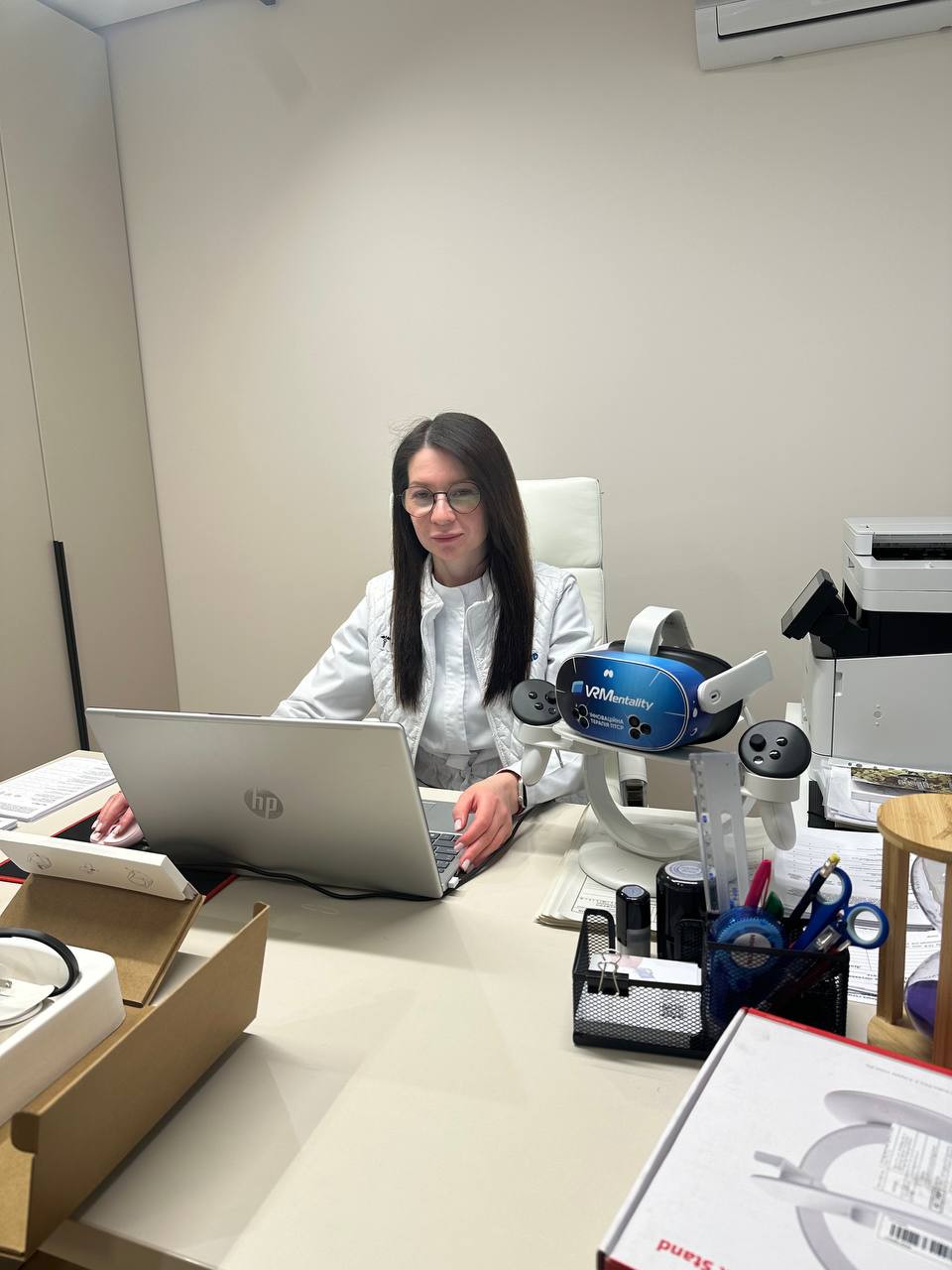
VR Mentality has received a response from the Ministry for Veterans Affairs of Ukraine to its enquiry about the use of virtual reality in psychological support for veterans, service members and their families.
In a letter signed by Deputy Minister Ruslan Prykhodko, the Ministry supports the development and implementation of a VR exposure approach in psychological care and rehabilitation for veterans, provided it complies with Ukrainian legislation. The Ministry also considers it appropriate to explore opportunities to apply the method in partnership with medical and rehabilitation institutions.
For VR Mentality, this is an important basis for further cooperation with institutions introducing technological solutions into veteran care. We develop software for VR exposure therapy for PTSD and, together with specialists from Bogomolets University, provide training for its professional use.
Interested institutions and organisations can contact VR Mentality to discuss cooperation and the implementation of VR exposure therapy.
16 October 2026
Exposure Therapy for PTSD: International Experience and the Potential of VR
During wartime, developing care for people with PTSD is particularly important. Prolonged exposure therapy is recommended by clinical guidelines in the United States and the United Kingdom. With professional guidance, a person gradually works through traumatic memories and approaches safe situations they have been avoiding. This helps reduce symptoms and supports a return to everyday life.
VR can complement this work with visual scenarios in a controlled environment. This approach has been studied among military personnel with PTSD in the United States, among other settings. The technology gives clinicians an additional tool, while the content and pace of therapy are tailored to each individual.
In Ukraine, VR Mentality is developing this approach. Together with specialists from Bogomolets National Medical University, including Professor Oleg Sozontovych Chaban, we conducted a study of VR exposure therapy for PTSD and are working to introduce it into Ukrainian clinical practice.
Sources: US National Center for PTSD · NICE guidelines · VR exposure therapy study · Ukrainian pilot study.
16 October 2026
Mental Health During Wartime: The Need for New Ways to Provide Care
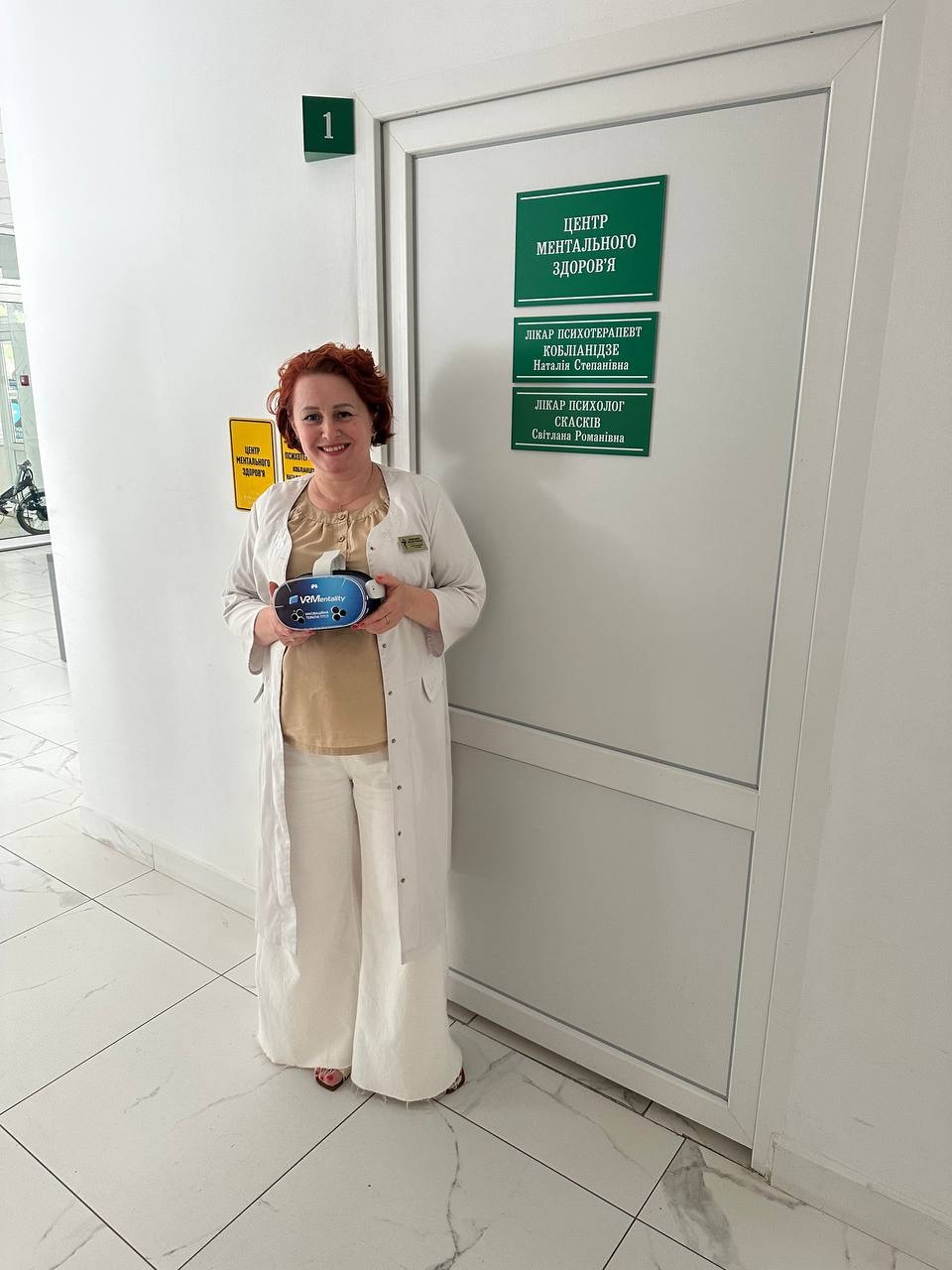
War increases the need for psychological and psychiatric support. Veterans and civilians face loss, prolonged danger and the effects of traumatic events. PTSD is one possible consequence, but each person’s needs are different. WHO highlights the importance of accessible care and overcoming barriers to receiving it.
In Ukraine, VR Mentality develops technology tools for mental health professionals. VR Mentality software was used in a pilot clinical study involving 50 Ukrainian veterans with PTSD. The study’s authors include Oleg Chaban and specialists from Bogomolets National Medical University. Clinical research and professional training support the responsible introduction of new tools into practice.
Sources: WHO, February 2026 · Ukrainian pilot study.
16 October 2026
PTSD and Avoidance: Returning to Everyday Activities
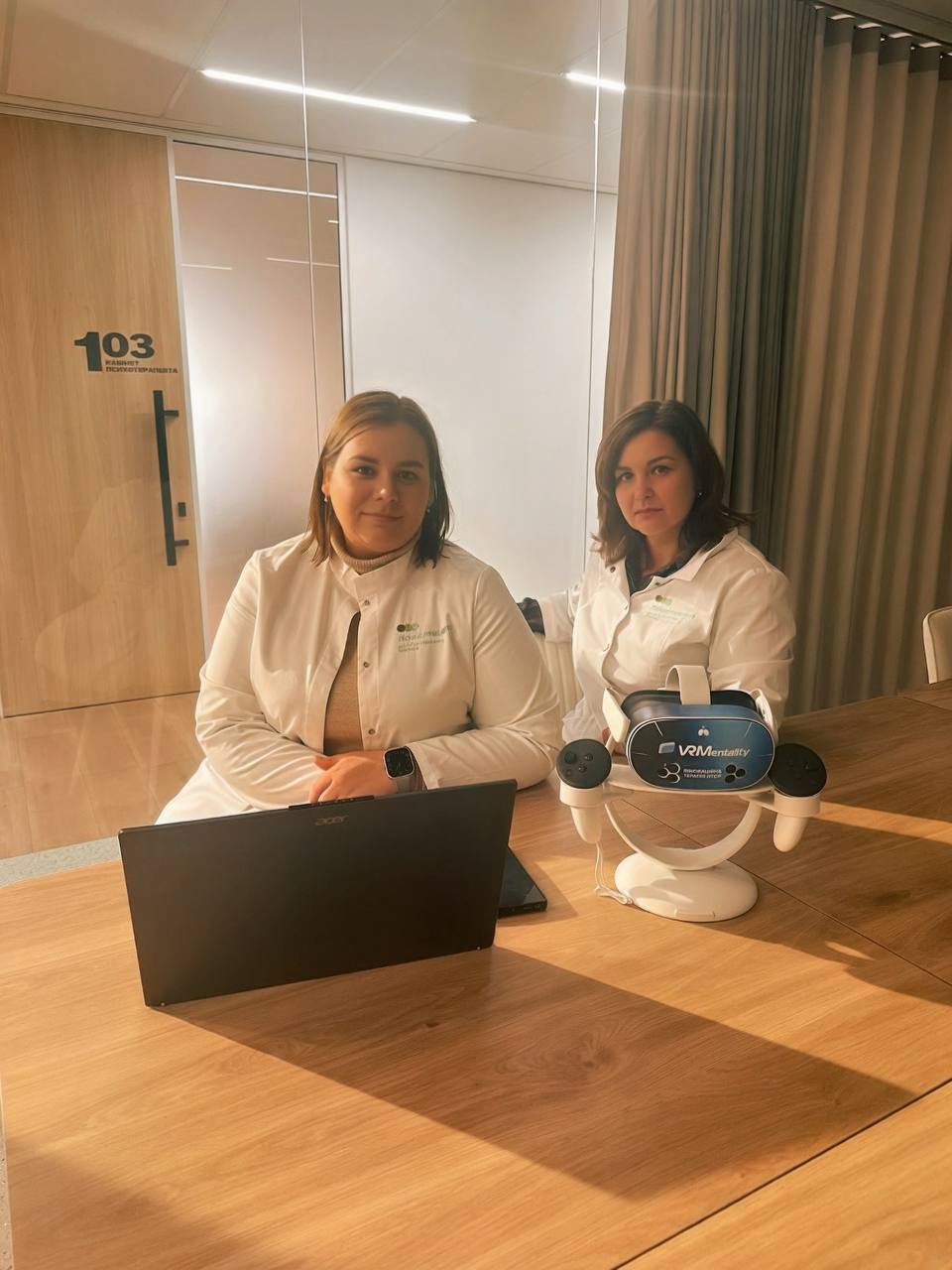
After traumatic events, a person may avoid places and situations that remind them of what happened. In PTSD, this can maintain symptoms and restrict everyday life. Exposure therapy helps people gradually work with memories and approach safe situations with professional guidance. Veterans and civilians need an individual approach, particularly while the real dangers of war persist.
At VR Mentality, connecting technology with clinical practice is important to us. VR Mentality software was used in a pilot clinical study involving 50 Ukrainian veterans with PTSD. The study’s authors include Oleg Chaban and specialists from Bogomolets National Medical University. We train professionals to use VR exposure therapy.
Sources: US National Center for PTSD · Ukrainian pilot study.
16 October 2026
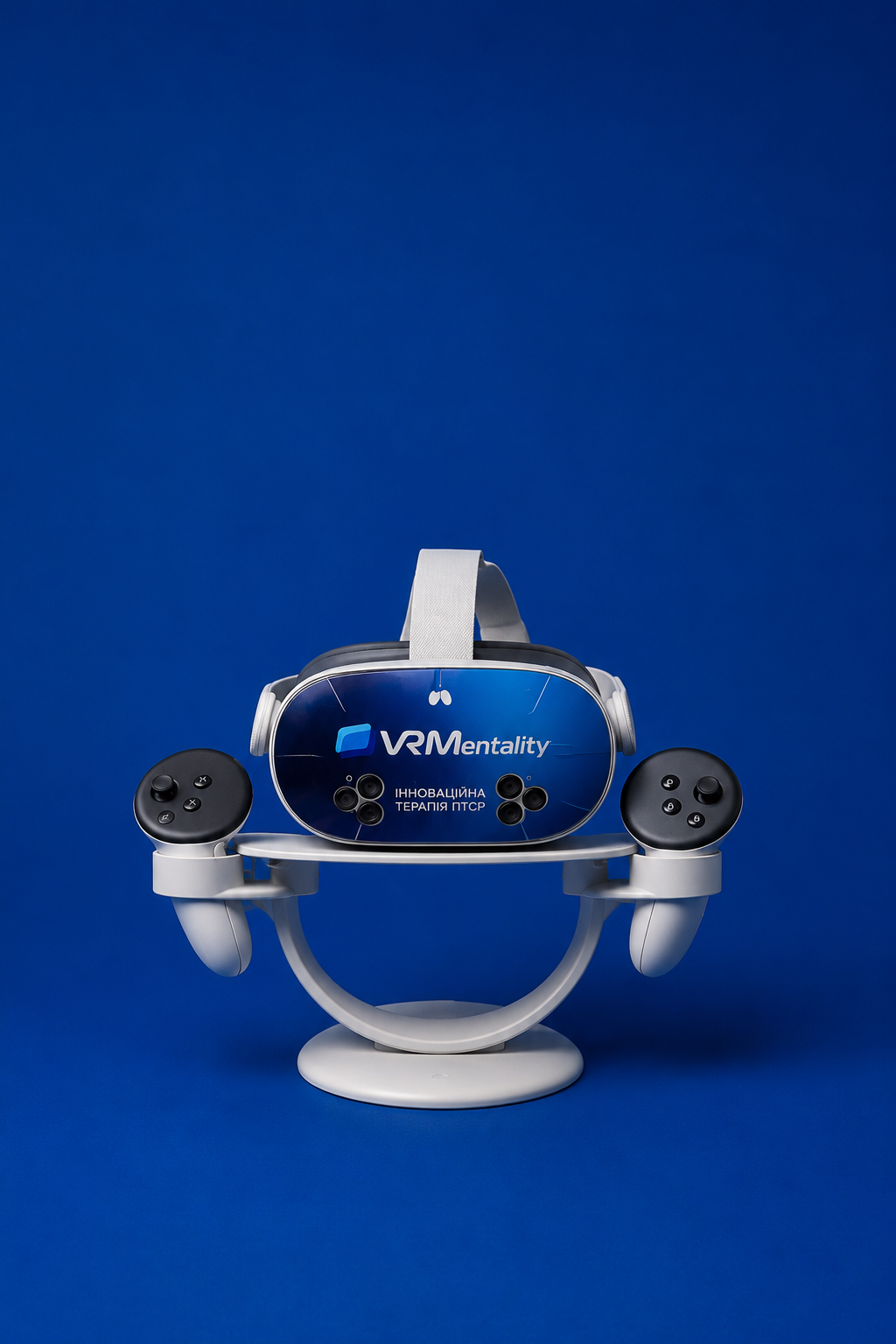
VR in Psychotherapy: Additional Tools for Clinicians
VR makes it possible to use simulated environments during exposure therapy for PTSD. In international research, therapists selected scenes and stimuli to reflect each patient’s experience. This provides an additional tool for working with trauma reminders: the clinician determines the session’s content and pace, taking the person’s condition into account.
Veterans, civilians and people released from captivity have different needs. In Ukraine, VR Mentality brings together medical software development, clinical research and training. VR Mentality software was used in a pilot clinical study involving 50 Ukrainian veterans with PTSD. The study’s authors include Oleg Chaban and specialists from Bogomolets National Medical University.
Sources: VR exposure study · Ukrainian pilot study.